
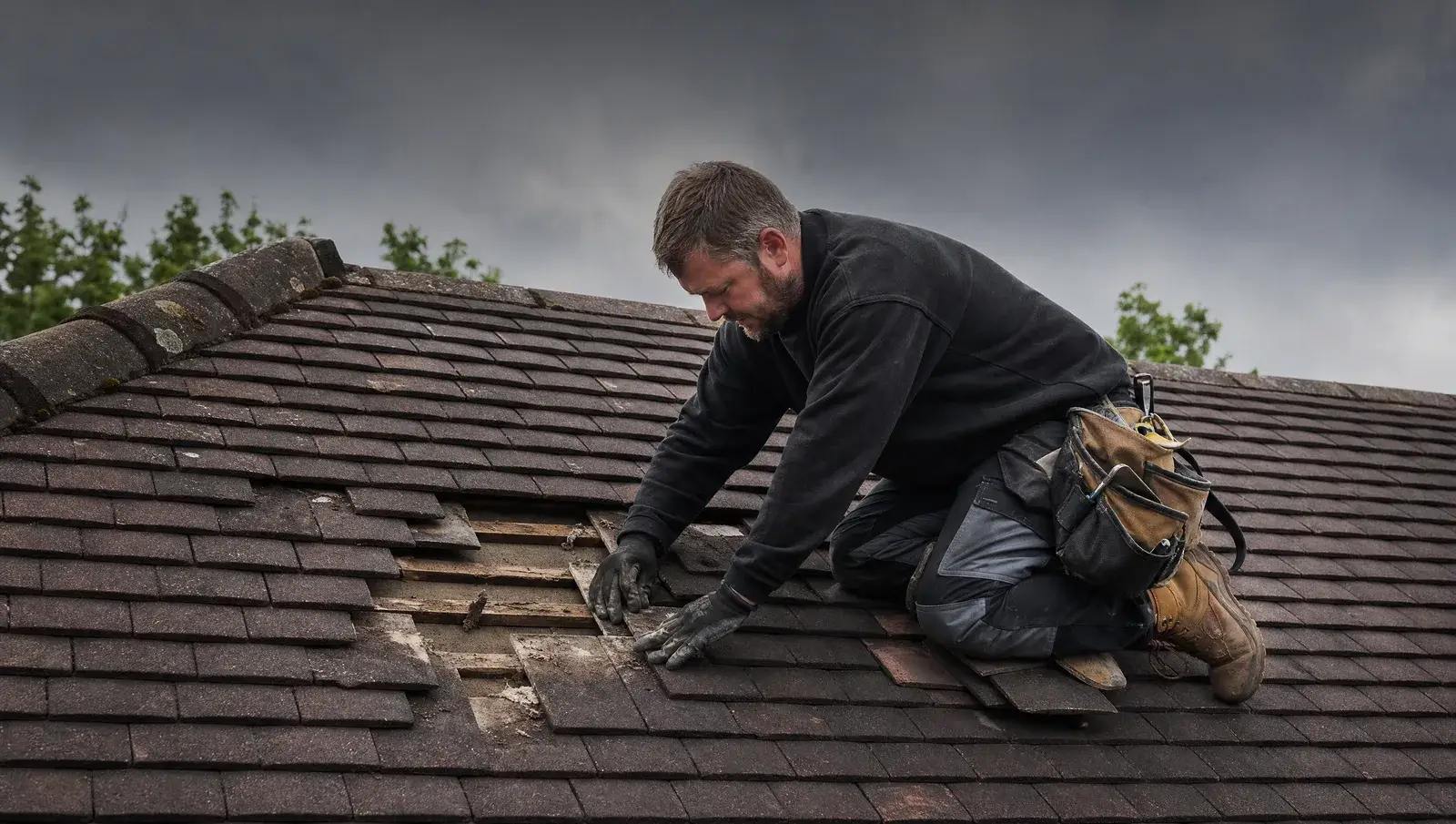
How much do roof repairs cost in the UK?
Real 2026 repair prices for tiles, flashing, valleys and structural work, plus what moves the price and when replacement makes more sense. Prices updated July 2026.
Storm damage may be claimable rather than payable: see roof leaks and home insurance.
Repair pricing is mostly labour plus access, which is why two jobs using £30 of materials can be quoted £200 apart. This guide sets out fair July 2026 averages for the most common repairs so you can sanity-check quotes before anyone sets foot on a ladder. For a figure adjusted to your home and region, try the roof cost calculator.
Roof repair costs (2026)
| Repair | Typical cost (2026) |
|---|---|
| Replace 1-5 slipped or broken tiles | £150 – £400 |
| Re-bed or replace ridge tiles | £200 – £600 |
| Lead flashing repair | £200 – £500 |
| Valley repair | £350 – £800 |
| Felt patch repair (flat roof) | £100 – £300 |
| Re-tile a larger section (per m²) | £110 – £180 |
| Structural timber repair | £1,000 – £3,000+ |
Small jobs carry a minimum charge: a roofer still has to travel, set up access and carry insurance whether they replace one tile or twenty, which is why nothing legitimate starts much below £150.
What affects repair prices
Access is the big one. A tile the roofer can reach from a roof ladder is a quick, cheap fix. The same tile above a conservatory or on a third storey can need a scaffold tower at £100 to £300, or full scaffolding at £800 to £1,500, which can cost more than the repair itself. Our scaffolding cost guide breaks down when each level of access is genuinely needed.
Beyond access, the price moves with the height and pitch of the roof, how easy the materials are to match (reclaimed clay tiles and natural slate cost more to source than concrete), regional labour rates, and whether the roofer finds further damage once they are up there. A good firm will photograph anything extra they find and price it before doing the work.
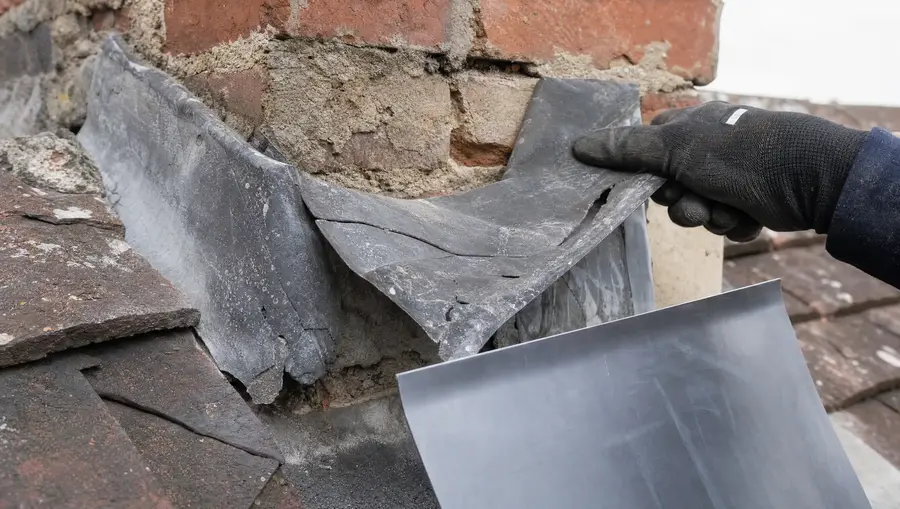
When a repair beats replacement, and when it doesn't
The working rule: if repairs would cost more than about a quarter of a full replacement, or you are calling a roofer back to the same roof every year, replacement is usually the better spend. A patch on a failing covering buys months, not years, and you pay for access every single visit.
Repair wins when the roof is mid-life and the damage is local: a few storm-slipped tiles, one failed flashing, a single cracked ridge. Replacement wins when the covering itself has failed, with tiles crumbling, widespread nail fatigue or daylight visible in the loft. A typical re-roof runs £4,500 to £20,000 depending on the house, so check the new roof cost guide before committing either way, and run through the signs you need a new roof if you are on the fence.
Get real prices for your repair
Up to three itemised quotes from vetted local roofers, checked against the fair rates on this page. Free, no obligation.