
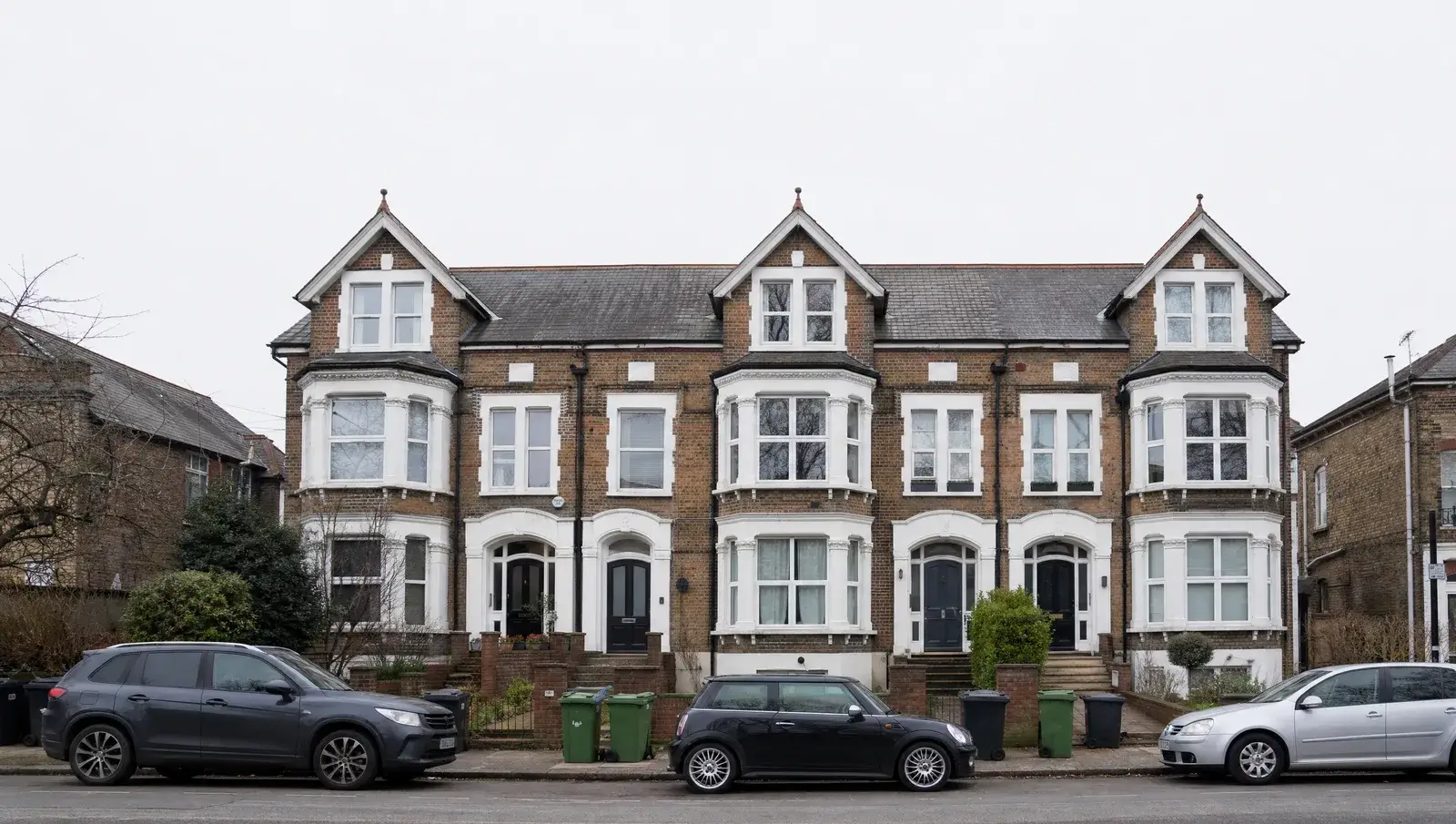
Who pays for roof repairs in a leasehold flat?
Usually the freeholder repairs, and every leaseholder shares the bill through the service charge. Here is how it works, and what to do when nobody acts.
The roof of a converted or purpose-built block is part of the structure and common parts, and almost every lease makes the freeholder responsible for maintaining it. That is the general rule; your lease is the actual rulebook, so it is the first thing to read (or have read) when a roof problem appears. Facing a share of a new roof for the block? Check the bill against our roof replacement cost calculator.
Check the lease first
The lease sets out who repairs what and how costs are apportioned: equal shares, floor-area percentages or another formula. In a small minority of leases, particularly some older conversions, a top-floor leaseholder does own and maintain "their" section of roof, which is exactly why checking beats assuming. If you cannot locate your lease, your conveyancing solicitor or the Land Registry can supply a copy.
The process, step by step
- 1. Report the problem in writing to the freeholder or managing agent, with photos and dates, and keep copies. A phone call fixes nothing on the record.
- 2. The freeholder must act within a reasonable time. Their repairing obligation is in the lease; a leaking roof damaging flats below is about as clear-cut as disrepair gets.
- 3. Minor repairs just happen and appear in the service charge accounts.
- 4. Major works trigger Section 20 consultation. Where any one leaseholder would pay more than £250, the freeholder must consult formally: notices, estimates you can comment on, and the right to nominate a contractor. A roof replacement, which can run from around £4,500 to £20,000 depending on the building (see our new roof cost guide for scale), will almost always qualify before being split between leaseholders.
If the freeholder will not act
Escalate in order: a formal written complaint; then, where the leak is damaging your flat, a housing disrepair route claiming for the internal damage; and an application to the First-tier Tribunal (Property Chamber) in England, which can rule on service charges and management failures (Wales, Scotland and Northern Ireland have their own equivalents). Where a majority of leaseholders are fed up, Right to Manage lets you take over management of the block without proving fault. LEASE, the government-funded leasehold advisory service, gives free specialist advice and is the right first call before spending money on solicitors.
Keeping shared bills down
Leaseholders collectively have more influence than most use. Push the managing agent for planned maintenance (gutter clearing, periodic inspections) rather than crisis repairs, because emergency work is always the expensive kind. When Section 20 estimates arrive, exercise the right to comment and to nominate a contractor: competitive, itemised quotes are exactly what the consultation exists to produce.
Most leasehold roof disputes start with a damp patch on the ceiling and an argument about who calls the roofer. If you need a figure to put in writing, the leaking roof repair cost guide has the 2026 ranges.
Need a quote for the block's roof?
Up to three itemised quotes from vetted local roofers, ideal for Section 20 contractor nominations. Free, no obligation.